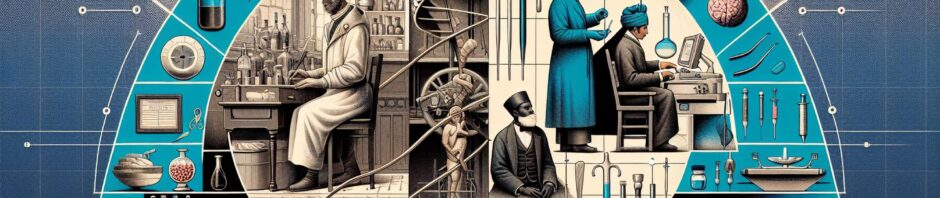
Technology has transformed every aspect of our lives, and the realm of medicine is no exception. Over the years, numerous medical revolutions have greatly impacted healthcare systems worldwide. These groundbreaking advancements have not only improved patient care but also revolutionized the way medical professionals diagnose and treat diseases. Let’s delve into some of the most significant medical revolutions that have changed the face of healthcare.
The Age of Digital Health Records
Gone are the days of paper-based medical records that were prone to errors and difficult to manage. The advent of digital health records (DHRs) has streamlined healthcare operations, ensuring accurate and accessible patient information. DHRs empower healthcare providers to effortlessly track medical histories, laboratory results, and treatments. Moreover, these records are easily shareable, enhancing collaboration among healthcare professionals and facilitating faster and more effective patient care.
Precision Medicine: Tailoring Treatments to the Individual
In the past, medical treatments were often generalized, assuming that each patient would respond similarly. However, precision medicine has ushered in a new era of personalized healthcare. By analyzing an individual’s genetic makeup, lifestyle, and environmental factors, medical professionals can now customize treatments for each patient. This approach improves treatment outcomes significantly, as it targets the specific characteristics of the disease and the patient’s unique needs, leading to more effective and efficient healthcare.
Robotic Surgery: Bringing Precision to the Operating Room
Robotic surgery has revolutionized the way surgeons operate, enabling precise and minimally invasive procedures. Surgeons can now employ robotic systems to perform complex procedures with enhanced precision and control. These robots offer a superior visual field, magnification capabilities, and tools that surpass human capabilities. Robotic surgery reduces trauma, minimizes scarring, shortens recovery times, and improves surgical outcomes, making it a game-changer in the field of surgery.
Telemedicine: Healthcare from Anywhere
Telemedicine has emerged as an essential medical revolution, especially during the current pandemic. This technology allows healthcare providers to deliver medical services remotely, bridging the gap between patients and healthcare professionals. Telemedicine has made healthcare more accessible, particularly for those in remote areas or with limited mobility. Patients can now receive consultations, diagnoses, and even prescriptions without leaving the comfort of their homes. Moreover, telemedicine has reduced healthcare costs, alleviated the burden on hospitals, and improved healthcare efficiency.
Conclusion
The continuous march of medical revolutions promises a future where healthcare is more efficient, accessible, and personalized. As technology advances, we can expect even more groundbreaking progress in the field of medicine. Digital health records, precision medicine, robotic surgery, and telemedicine are just a few of the numerous advancements that have already transformed the healthcare landscape. Together, these revolutions are making healthcare safer, more efficient, and ultimately, improving the lives of millions. As we witness these medical revolutions unfold, it is evident that we are on the brink of a new era in healthcare—one defined by remarkable technological advancements that have the potential to change the world.